
Bringing a puppy home is an exciting decision, but choosing the right breeder is just as important as choosing the right puppy. Families looking for a loving, intelligent, and playful companion often consider the Bernedoodle, a cross between a Bernese Mountain Dog and a Poodle. Yet beyond appearance and personality, one factor deserves serious attention: health.
Health Tested Bernedoodles come from breeding programs that take steps to identify and reduce the risk of inherited health conditions before puppies are born. Health testing does not mean a puppy can never develop an illness, but it can provide valuable information for making responsible breeding decisions.
For families considering Bernedoodle puppies, knowing what health testing involves can make the search much easier and more informed.
What Does “Health Tested” Really Mean?
The phrase “health tested” can sound reassuring, but it is important to look beyond the label. Different breeders may perform different tests, so prospective puppy owners should ask exactly what was tested, which parent dogs were tested, and whether the results are available.
Responsible testing can include genetic screening for inherited conditions as well as orthopedic evaluations. At Haystack Mountain Bernedoodles, for example, the breeding program describes DNA testing through Embark and PennHIP evaluations for hip-dysplasia risk as key parts of its health standards.
This level of transparency helps families understand the steps being taken before a litter is produced.
Why Health Testing Matters for Bernedoodles
A Bernedoodle inherits characteristics from both the Bernese Mountain Dog and the Poodle. Because both parent breeds can have certain inherited or orthopedic health concerns, breeders need to consider the health history and testing results of both sides.
Some Bernedoodle health issues that prospective owners may hear about include hip dysplasia, progressive retinal atrophy, degenerative myelopathy, and von Willebrand’s disease. The specific risks vary from dog to dog, which is why responsible breeding decisions matter.
Health testing gives breeders information that cannot be determined simply by looking at a dog. A puppy may look energetic and healthy, but its parents' genetic and orthopedic information can provide important insight into potential inherited risks.
DNA Testing Can Help Reduce Genetic Risks
Genetic testing is an important tool in modern dog breeding. A DNA test can identify whether a breeding dog carries particular inherited conditions. Breeders can then use those results when selecting appropriate pairings.
Haystack Mountain Bernedoodles states that its parent dogs are screened through Embark for breed-relevant genetic conditions. Its stated standards include screening for conditions associated with the parent breeds, such as degenerative myelopathy and von Willebrand’s disease.
The goal isn't simply to collect a test report. The information should actually influence breeding decisions.
For families, this means asking a breeder to explain the genetic testing process rather than accepting a general statement that the parents are “healthy.”
Hip Health Deserves Special Attention
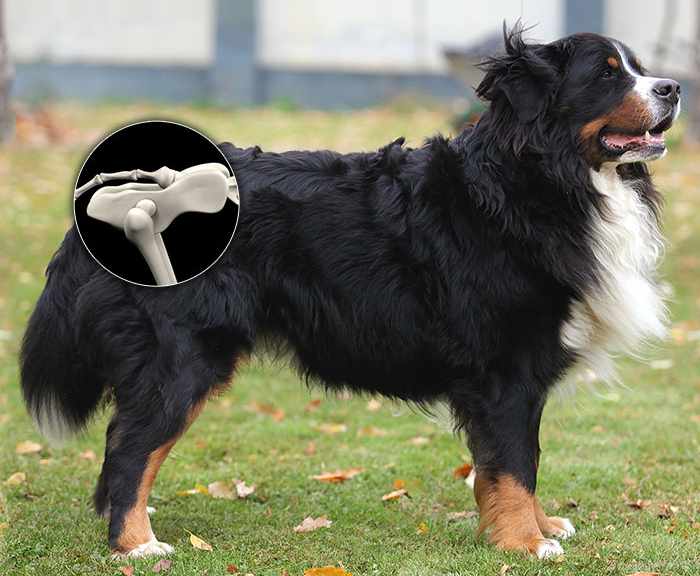
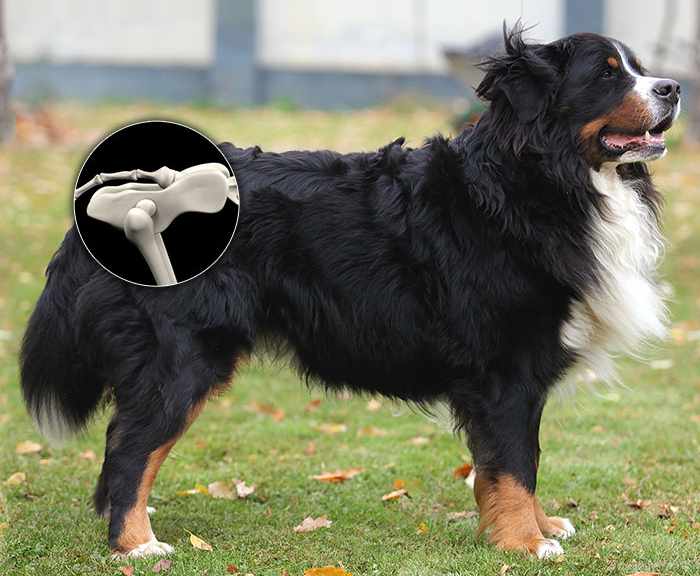
Hip health is another major consideration when selecting a Bernedoodle. Hip dysplasia can affect mobility and may contribute to arthritis and discomfort as a dog ages.
This is particularly important for larger Bernedoodles, including an f1 standard bernedoodle, because orthopedic health should be considered when selecting breeding dogs.
Haystack Mountain Bernedoodles places significant emphasis on PennHIP evaluations for its breeding dogs. According to the program, PennHIP is used to assess the risk of canine hip dysplasia and forms part of its defined breeding standards.
When speaking with Bernedoodle breeders, families should therefore ask what orthopedic testing is performed and how the results affect breeding decisions.
Why F1 Bernedoodles Can Be Appealing
An f1 bernedoodle is a first-generation cross between a purebred Bernese Mountain Dog and a purebred Poodle. Families may be attracted to F1 puppies because they appreciate the direct pairing of the two parent breeds.

Haystack Mountain Bernedoodles focuses specifically on first-generation Bernedoodles rather than expanding into multiple generations and different Doodle combinations. Its breeding philosophy centers on pairing high-quality purebred Poodles and Bernese Mountain Dogs to produce F1 puppies.
Of course, generation alone does not determine whether a puppy is healthy. The quality, health, temperament, and testing of the parent dogs remain important factors.
What Families Should Ask Bernedoodle Breeders
When comparing breeders, don't be afraid to ask questions. A responsible breeder should be comfortable explaining their health standards and why particular tests are performed.
Here are several useful questions:
Which health tests have been completed on both parents?
Can I see the actual test results?
Are the parent dogs DNA tested?
How is hip health evaluated?
What inherited conditions are screened for?
How do test results influence breeding decisions?
How are the puppies raised and socialized?
Can families visit or meet the puppies?
These questions can help you distinguish between a breeder who simply uses the phrase “health tested” and one who has a clearly defined health program.
Health Testing Is Only One Part of Raising a Great Puppy
Health testing is important, but it is not the only factor that contributes to a puppy's future well-being.
Early socialization, nutrition, veterinary care, appropriate exercise, cleanliness, and positive human interaction all matter. Puppies benefit from growing up in an environment where they receive consistent care and attention.
Haystack Mountain Bernedoodles says its puppies are raised inside the home with regular human interaction and that the program limits litters so it can maintain a personalized level of care.
For families searching for haystack bernedoodles, this home-focused approach may be another factor worth considering alongside health testing.
Choosing a Breeder With Transparency in Mind
Searching online for a Bernedoodle can quickly produce dozens of options. Beautiful puppy photos and attractive websites can make the decision feel easy, but families should look deeper.
Look for clear information about breeding dogs, health testing, puppy care, and the breeder's overall philosophy. A transparent program should be willing to explain its standards instead of relying only on broad marketing claims.
The same principle applies whether you're searching for bernadoodle breeders, Bernedoodle breeders, or a specific F1 program. Focus on evidence and ask questions before making a commitment.
Why Health Tested Bernedoodles Can Be a Smart Family Choice
A puppy becomes part of the family for many years, so it makes sense to consider long-term health before bringing one home.

Choosing Health Tested Bernedoodles means looking for puppies whose parents have undergone meaningful health screening and whose breeder uses those results as part of responsible breeding decisions. It can help reduce certain preventable genetic risks and gives families more information about the dogs behind their future puppy.
No health-testing program can promise that a dog will never experience a medical problem. However, thoughtful testing, responsible breeding, good puppy care, and ongoing veterinary support can all contribute to giving a Bernedoodle the best possible start.
Ready to Find Your Bernedoodle?
Choosing a puppy is a decision that deserves time, research, and thoughtful questions. If you're searching for a family-friendly Bernedoodle from a program that places a strong emphasis on health testing and responsible breeding, Haystack Mountain Bernedoodles is here to help.
Visit us to learn more about available Bernedoodle puppies, health standards, breeding practices, and the process of welcoming a new puppy into your family.
Frequently Asked Questions
Q1. What are Health Tested Bernedoodles?
Ans - Health Tested Bernedoodles are puppies produced from breeding dogs that have undergone health screening for relevant genetic and/or physical conditions. The exact tests vary by breeding program.
Q2. What health tests should I ask a Bernedoodle breeder about?
Ans - Ask about DNA testing for inherited conditions and orthopedic evaluations, particularly hip health. Also ask to see the actual results rather than relying only on the phrase “health tested.”
Q3. Are F1 Bernedoodles healthier than other generations?
Ans - Generation alone does not guarantee better health. The health, genetics, testing, and breeding practices of the parent dogs are important factors to consider when choosing an F1 Bernedoodle or another generation.
Q4. What are some common Bernedoodle health issues?
Ans - Potential concerns can include hip dysplasia, progressive retinal atrophy, degenerative myelopathy, and von Willebrand’s disease. Responsible breeding and appropriate health screening can help reduce the risk of passing certain inherited conditions to puppies.
Q5. How can I find a responsible Bernedoodle breeder?
Ans - Look for a breeder with clearly defined health standards, transparent testing information, responsible breeding practices, and a strong focus on puppy care and socialization. Ask questions and review health documentation before making your decision.







Write a comment ...