
When families begin searching for a well-bred puppy, they often focus on health testing, temperament, and breeder reputation. What many do not immediately understand is how much early environment shapes a puppy’s personality. A carefully structured guardian breeding program plays a powerful role in that early development.
Breeders who use this model place their breeding dogs in approved guardian homes where they live as family companions instead of in kennel environments. This approach gives puppies the benefit of real-life experiences from the very beginning. For breeds like Bernedoodles, where temperament and social skills matter just as much as structure and health, this difference is significant.
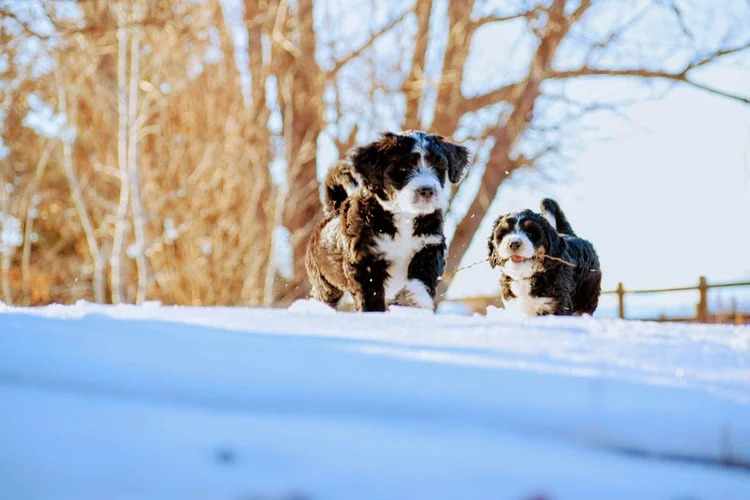
At Haystack Mountain Bernedoodles, the guardian model supports responsible breeding while giving puppies a strong social foundation that carries into adulthood. The result is confident, adaptable companions who grow into well-balanced full grown Bernedoodle puppies with stable temperaments.
Key Takeaways
A guardian breeding program places breeding dogs in approved family homes for personalized care.
Early socialization directly impacts confidence, adaptability, and long-term behavior.
Puppies raised in home environments experience everyday sights and sounds that prepare them for family life.
Reduced stress during development supports emotional stability and stronger immune health.
Ethical programs, like those practiced by Haystack Mountain Bernedoodles, focus on both health testing and enriched early development.
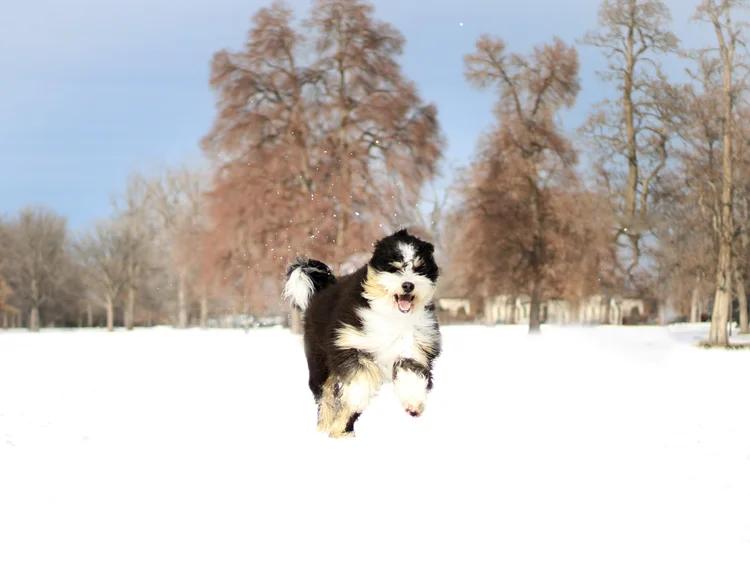
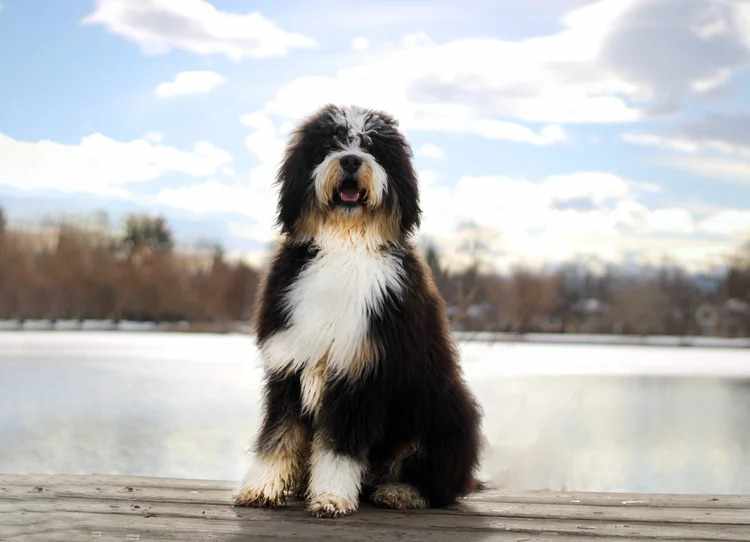
The benefits of strong early socialization are visible as puppies mature into well-balanced full grown Bernedoodle puppies.
What Is a Guardian Breeding Program?
A guardian breeding program allows carefully selected breeding dogs to live with approved families instead of remaining at a central facility. These guardian families raise the dog as their own pet while the breeder retains breeding rights for a specific period of time.
During that time, the dog receives:
Daily interaction in a home environment
Exposure to children, guests, household sounds, and routines
Consistent social engagement
Individual attention and bonding
Once the dog completes its breeding career, full ownership is transferred to the guardian family permanently.
This structure supports both ethical breeding standards and healthy emotional development for the dog.
Why Early Socialization Matters
Puppy socialization begins almost immediately after birth. The first eight to twelve weeks of life are critical. During this window, puppies form impressions that shape their reactions to:
New people
Sounds and environments
Handling and grooming
Other animals
Changes in routine
When puppies grow up in enriched home settings rather than isolated environments, they develop confidence more naturally. They are less likely to struggle with fear-based behaviors and more likely to adapt smoothly to new homes.
A structured guardian breeding program supports this early development in ways that traditional kennel setups often cannot match.
How Guardian Homes Improve Puppy Social Development
1. Constant Human Interaction
Puppies raised in guardian homes experience consistent, everyday contact. They are exposed to:
Normal household sounds like vacuums and doorbells
Visitors entering and leaving
Daily routines such as meal preparation and television noise
This helps them understand that everyday life is safe. When they transition to their forever families, the adjustment is smoother.
2. Exposure to Different Age Groups
Guardian families often include adults, children, and sometimes other pets. This exposure teaches puppies how to interact appropriately with different personalities and energy levels.
For Bernedoodles in particular, this balanced exposure supports their naturally affectionate and social temperament. As they mature into full grown Bernedoodle puppies, these early lessons become visible in their calm, people-oriented behavior.
3. Individual Attention and Early Training
In a guardian home, each dog receives more personalized care. Basic early training such as:
Crate introduction
Potty routines
Gentle leash exposure
Positive reinforcement handling
begins naturally. Puppies observe and mimic calm adult dog behavior, which accelerates learning.
Breeders who oversee a guardian breeding program still maintain structured standards, but the day-to-day environment remains warm and personal.
4. Reduced Stress Levels
Dogs are highly sensitive to their surroundings. A relaxed home environment supports emotional regulation. Lower stress levels during development contribute to:
Better immune response
Stronger bonding
More stable temperament
Improved adaptability
These benefits follow the puppy into adulthood. Families often notice that dogs raised in guardian programs transition more smoothly into new homes.

Supporting Long-Term Development
The goal is not only to produce healthy puppies but to raise dogs that thrive for years to come. Socialization affects long-term behavior patterns, including:
Confidence in public settings
Comfort with grooming and vet visits
Ability to handle travel
Calm response to new experiences
Breeders such as Haystack Mountain Bernedoodles focus on structured early neurological stimulation, positive exposure, and family-based rearing practices. When this foundation is combined with responsible health testing and temperament evaluation, it supports the growth of balanced full grown Bernedoodle puppies who fit naturally into family life.
The Ethical Advantage
A guardian breeding program is not only about socialization. It also reflects responsible breeding practices.
Instead of housing multiple breeding dogs in one location, the program distributes care among committed families. This allows:
More individualized attention
Cleaner and less crowded environments
Stronger human bonds
Clear accountability and transparency
Ethical breeding requires planning, support, and long-term oversight. When implemented correctly, a guardian model strengthens both the welfare of breeding dogs and the well-being of the puppies they produce.
Why It Matters for Bernedoodles
Bernedoodles are known for their affectionate personality, intelligence, and sensitivity. These traits are shaped not just by genetics but also by environment.
Early social experiences influence how these dogs grow into adulthood. Families searching for confident, adaptable companions often find that puppies raised within a guardian breeding program demonstrate:
Balanced energy levels
Strong social awareness
Quick learning ability
Calm behavior in new settings
This early shaping plays a role in how the dog behaves as a fully mature companion.
Frequently Asked Questions
What is the main purpose of a guardian breeding program?
The main purpose is to raise breeding dogs in loving family homes instead of kennel environments. This supports emotional well-being, social development, and responsible breeding standards.
Do puppies raised in guardian homes behave differently?
Puppies raised in enriched home settings often demonstrate stronger social confidence and adaptability. Early exposure to real-life household experiences helps them adjust more easily to new families.
Is a guardian breeding program safe and ethical?
When structured properly with contracts, health testing, and breeder oversight, it is a responsible and ethical approach to breeding. It prioritizes the well-being of the dogs while maintaining high breeding standards.
How does early socialization affect full grown Bernedoodle puppies?
Early social experiences shape temperament. Puppies exposed to positive environments during their developmental stages are more likely to grow into calm, confident adult dogs who adapt well to family life.
Why do responsible Bernedoodle breeders use this model?
Because Bernedoodles thrive on human interaction and emotional connection, many responsible breeders use the guardian model to ensure their dogs receive the social foundation they need from the start.


Write a comment ...